
relax gaming — guide till de hetaste spelsläppen 2026
relax gaming är mer än bara ett utbud av titlar – det är en indikator på branschens riktning. Genom att studera relax gaming insättning kan man förutse vilka upplevelser som blir populära under 2026.
mga casino www.1000eurobonus.com — test | mga casino www.1000eurobonus.com
live casino 2026 — liveroulette strategi
See also:
- Så här jämför du relax gaming insättning för bästa utbetalning
- Bonusar och omsättningskrav för spel
- Så maximerar du dina vinster med relax gaming uttag
- RTP-jämförelse för populära spel hos relax gaming
- Bilder från relax gaming spelbibliotek
- Vilka regler gäller för relax gaming insättning?
- Pausa ditt konto hos relax gaming
Så här jämför du relax gaming insättning för bästa utbetalning
hold and win, a phrase that encapsulates the essence of strategic perseverance and ultimate triumph, resonates deeply in the realms of competitive sports, business negotiations, and personal challenges. To hold is to maintain one’s ground against relentless pressure, to endure the storm when every fiber of one’s being screams for surrender. It is the act of gripping tightly to a vision, a goal, or a principle, even when the world conspires to loosen your grasp. In the context of a high-stakes poker game, holding means keeping a steady hand and a calm demeanor while your opponents bluff and raise, their eyes searching for any crack in your facade. It involves the discipline to fold when necessary, but also the courage to stay in when the odds are slim, trusting your instincts and your read of the situation. In the corporate arena, holding might refer to maintaining a strategic position in a volatile market, resisting the urge to panic-sell during a downturn, or holding onto a controversial decision despite shareholder dissent, because you have the long-term data and vision to know it will pay off. On a personal level, holding can be the quiet strength of a caregiver who tends to a loved one through a prolonged illness, holding their hand, holding their hope, holding the family together when everything seems to be falling apart. It is the marathon runner who holds a steady pace through the wall of exhaustion, each stride a testament to mental fortitude. To win, then, is the culmination of that holding—the moment when the pressure finally relents, and the seeds of persistence blossom into victory. Winning is not merely the final score or the trophy; it is the sweet relief of seeing your efforts validated, the exultation of crossing the finish line, the triumphant smile that breaks through tears of exhaustion. In poker, winning might be the pot you rake in after hours of tense play, but it is also the respect of your opponents and the knowledge that you outlasted and outthought them. In business, winning could be the successful launch of a product that you held onto through countless setbacks, or the acquisition of a rival company that you strategically positioned yourself to capture. But winning is not always about external success; it can be the internal victory of overcoming self-doubt, the quiet satisfaction of knowing you gave your all and stayed true to your values. The interplay between hold and win is delicate; you cannot win without holding, but holding without a clear vision of winning can become mere stubbornness. Thus, the phrase demands a balance: hold with purpose, and win with grace. Consider the story of a startup founder who held onto her vision of a sustainable energy solution despite repeated rejections from investors. She held onto her team, motivating them through lean months, and held onto her technical design, refining it through countless iterations. When the market finally shifted toward green technology, she was positioned to win not just funding, but a leadership role in an industry that would shape the future. Her win was not a stroke of luck; it was the inevitable outcome of her holding. Similarly, in the world of sports, think of a tennis player who, down two sets to love, holds his nerve, holds his serve, and holds his belief in his ability to come back. He adjusts his strategy, holds his opponent’s patterns in his mind, and waits for the right moment to strike. His eventual victory is a testament to the power of holding under pressure. In politics, a leader may hold to a controversial stance, facing criticism and low approval ratings, but if that stance is rooted in a deep understanding of the nation’s long-term needs, the win may come in the form of policy success and historical vindication. However, holding is not passive; it is an active, dynamic process. It requires constant reassessment, adaptation, and resilience. To hold is to be like a tree that bends in the storm but does not break, its roots deepening with each gust. It is the art of knowing when to be rigid and when to be flexible, when to dig in and when to shift. The win, then, is not just a destination but a transformation; the person who holds and wins emerges stronger, wiser, and more capable of facing future challenges. The phrase also carries a moral dimension: holding to ethical principles in the face of temptation, and winning the respect of others through integrity. In the end, ‘hold and win’ is a mantra for the resilient, a call to endure with purpose, and a promise that the fruits of perseverance are sweet indeed. It is a reminder that the greatest victories are often born from the longest struggles, and that the ability to hold is the foundation upon which all wins are built. Whether in the quiet moments of solitary effort or the loud arena of public competition, the principle remains unchanged: hold fast, and you will win.
casino med snabba utbetalningar 2026 — casino snabba betalningar
Bonusar och omsättningskrav för spel
- kr500 i bonus med 100 gratissnurr
- 100% upp till kr100
- 40x insatskrav
- 45x omsättningskrav inom 30 dagar
Så maximerar du dina vinster med relax gaming uttag
Reality checks are the deliberate, often uncomfortable, pauses we take to compare our internal narratives against external facts. They are the cognitive equivalent of looking both ways before crossing a street—a brief, life-saving habit that disrupts the autopilot of assumption. In practice, a reality check might involve asking yourself, ‘What evidence do I actually have for this belief?’ or ‘Is my emotional reaction proportional to the event, or am I projecting past trauma onto the present?’ These checks are not about denying feelings; they are about contextualizing them. For instance, when you feel certain a colleague is angry at you because they didn’t reply to an email, a reality check would involve considering alternative explanations: they might be in meetings, sick, or simply overwhelmed. It means resisting the seductive pull of catastrophic thinking, which often paints worst-case scenarios with broad, vivid strokes. Instead, you gather data—perhaps by asking the colleague directly or by recalling past instances where delayed responses were benign. Reality checks also apply to our self-perceptions. That voice that whispers ‘You’re a fraud’ during a successful presentation can be countered with a checklist of your actual achievements, the preparation you did, and the positive feedback you’ve received. They are not about toxic positivity; they are about accuracy. In relationships, reality checks prevent us from building elaborate castles of resentment on a foundation of misinterpreted text messages or forgotten anniversaries. They require humility, because they force us to admit that our initial gut feeling might be wrong. They also require courage, because sometimes the reality we uncover is genuinely painful—like realizing a friendship has run its course or that a job is not a good fit. But even then, the check serves a purpose: it saves us years of living in a fog of wishful thinking. Over time, practicing reality checks rewires the brain to default toward curiosity rather than judgment. You begin to notice the gap between the story you tell yourself and the observable world, and that gap becomes a space for growth rather than a source of anxiety. For example, a person who fears public speaking might do a reality check before a talk: they review past successful talks, they remind themselves that the audience is rooting for them, and they focus on the message rather than their own nervousness. This is not a superficial pep talk; it is a structured examination of evidence. Similarly, in financial decisions, a reality check might mean looking at your bank account balance before planning a lavish vacation, or comparing the actual cost of a subscription service against how often you use it. It is the antidote to impulse, the brake on the runaway train of desire. In the digital age, reality checks are especially crucial because our feeds are curated to show highlights, not realities. When you scroll through Instagram and feel inadequate, a reality check reminds you that you are comparing your behind-the-scenes to everyone else’s highlight reel. It prompts you to ask, ‘Am I really unhappy with my life, or am I just envious of a filtered image?’ The practice extends to news consumption: before sharing an article that confirms your biases, you check the source, the date, and whether the headline matches the content. In essence, reality checks are a form of self-respect. They say, ‘I value the truth more than I value the comfort of my illusions.’ They are not a one-time event but a continuous discipline, like brushing your teeth or exercising. You might perform mini-checks throughout the day—when you feel a spike of anger, when you are about to procrastinate, when you feel a surge of pride. Each check is a moment of choosing reality over fantasy, clarity over confusion. And while the process can be humbling, it is also liberating, because it frees you from the prison of your own assumptions. You realize that many of your fears were paper tigers, and many of your beliefs were inherited rather than earned. You become a more reliable narrator of your own life, which in turn makes you a better friend, partner, and decision-maker. Ultimately, reality checks are not about being pessimistic or constantly doubting yourself; they are about being awake.
Att hitta rätt relax gaming kan ta tid, men det är värt det.
RTP-jämförelse för populära spel hos relax gaming
| Name | Biggest win | RTP | Year | Provider |
|---|---|---|---|---|
| FjordFortunes | 56,300 | 50% | 2023 | Buffalo King |
| MrGreen | 127,500 | 300 | 2023 | Evolution |
| Slot K | 127,500 | 125% | 2023 | Nolimit City |
| Expekt | 387,000 | 50 | 2024 | NetEnt |
| Starburst Xx | 12,400 kronor | 75% | 2024 | NetEnt |
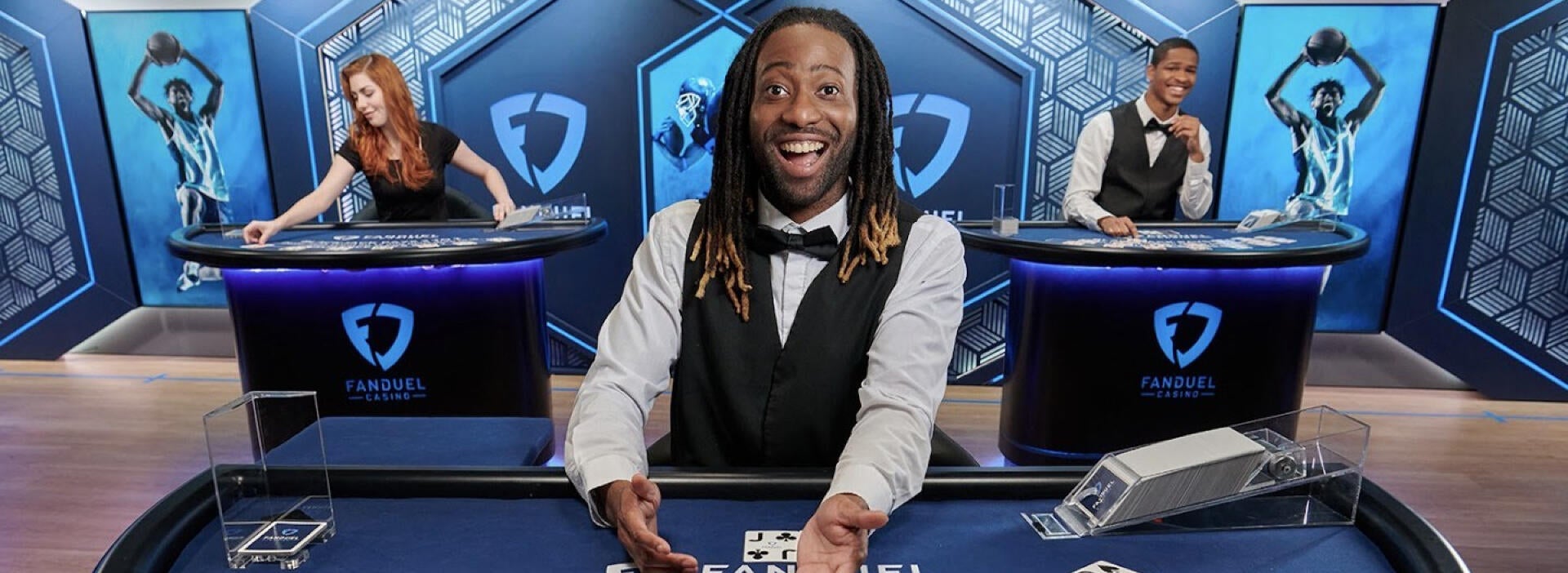
Bilder från relax gaming spelbibliotek
Vilka regler gäller för relax gaming insättning?
Vilka spelutvecklare och leverantörer finns tillgängliga hos relax gaming?
relax gaming samarbetar med ett brett urval av ledande spelutvecklare och leverantörer, inklusive välkända slotstudior, live casino-leverantörer och plattformsutvecklare. Du hittar spel från både etablerade och nya aktörer på marknaden.
Kan jag spela demoversioner av spelen hos relax gaming?
Ja, de flesta spelen hos relax gaming erbjuder ett demoläge där du kan testa spelen gratis utan att satsa riktiga pengar. Detta gäller både slots och många andra casinospel.
Vilka licenser har relax gaming för att erbjuda spel från olika leverantörer?
relax gaming innehar spellicenser från Spelinspektionen, vilket säkerställer att alla spel och programvaror som erbjuds är testade och godkända av respektive myndighet.
Hur ofta lägger relax gaming till nya spel från leverantörerna?
relax gaming uppdaterar sitt spelutbud regelbundet med nya titlar från sina leverantörer, ofta i samband med lanseringar och nya releaser. Du kan förvänta dig nya spel varje vecka.
Erbjuder relax gaming live casino-spel från specifika leverantörer?
Ja, relax gaming har ett urval av live casino-spel från flera kända leverantörer, inklusive bordsspel som blackjack, roulette och baccarat med riktiga dealers.
Pausa ditt konto hos relax gaming
Spela ansvarsfullt – relax gaming vill att du har roligt, men kom ihåg att spel endast är tillåtet för dig som är 18 år eller äldre. Spelinspektionen är den svenska tillsynsmyndigheten och du kan alltid stänga av dig via det nationella självavstängningssystemet Spelpaus.se. Om du känner att spelandet blir problematiskt, kontakta Stödlinjen på 020-81 91 00 för kostnadsfri och anonym hjälp. Sätt alltid upp insättnings- och tidsgränser innan du spelar – se det som underhållning, aldrig som ett sätt att vinna tillbaka förluster. Spela bara med pengar du har råd att förlora.